
An insole RFQ should identify the exact supplied outline before asking a supplier to confirm a trim-line reference. Request the catalogue item, the unmodified sample size, the measurement method and a supplier-approved drawing that states whether any marked line is a cutting reference. A photograph alone cannot confirm the finished dimensions, an allowed alteration or compatibility with a particular shoe. Keep those points open until the supplier answers them for the offered item.
Separate the catalogue item from the approved outline
Canxiang Insoles lists a product called EVA Perforated Sports Insoles. That catalogue name gives buyers a practical reference for an inquiry. It should travel with the actual product URL and the selected photograph, so that both parties can identify the same item. The name does not replace a drawing, a size schedule or a confirmation of the version included in a quotation.
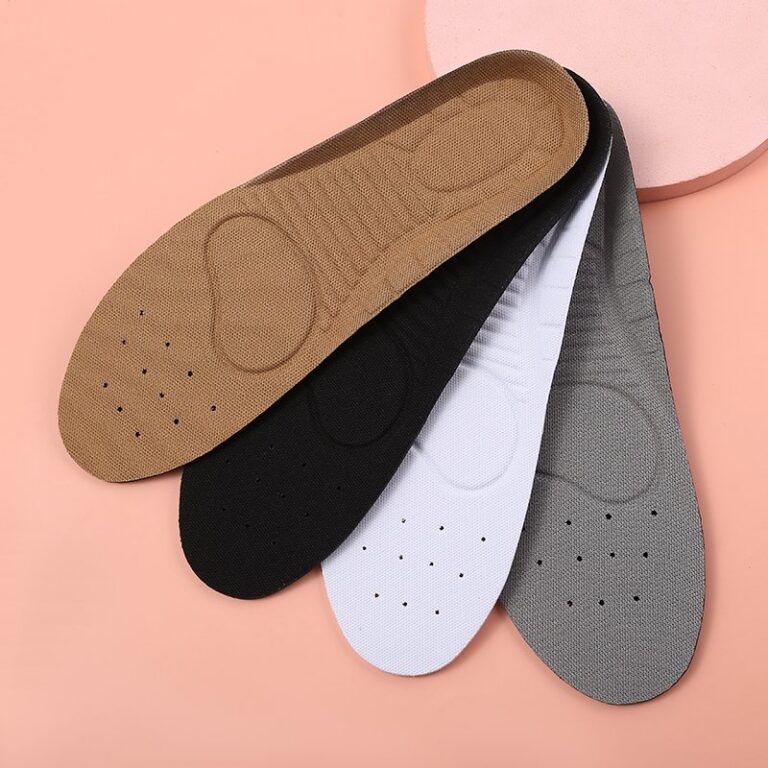
The selected catalogue photograph shows overlapping insoles. It is useful for recognizing the arrangement, colors and visible perforations. Overlap also hides portions of the outer edge. Ask for a separate, flat view of the exact offered sample when the outline matters to the purchase. Do not derive an order dimension from the apparent length of an object in a photograph without an agreed scale and measurement method.
Ask which reference the supplier is actually quoting
A buyer may use the phrase trim to size while a supplier is quoting an unmodified stock outline, a different marked sample or an item that requires a separate drawing. Resolve that ambiguity before comparing offers. Ask whether the quotation covers the photographed item, an alternative version or a proposed custom outline. If the supplier offers several options, give each one its own reference code rather than allowing several possibilities to share one approval label.
Keep the requested state clear: supplied as made, supplied with visible guide marks, or supplied to a separately approved outline. These are questions for the quotation, not assumed options available from this supplier. Any alteration permission should be confirmed for the actual item. This article concerns procurement records; it does not tell a user where or how to cut an insole.
Build a short outline clarification table
Use a table that distinguishes buyer requirements from supplier answers. Leave an unanswered field visibly pending. A blank field should not quietly become the closest-looking detail in a catalogue image. The following structure can be included in an inquiry without adding unconfirmed dimensions or production promises.
RFQ field | Buyer should provide | Supplier should confirm
Item identity | Product URL and selected image reference | Exact quoted item and version
Supplied outline | Required state before any alteration | Drawing or flat sample view
Size reference | Named size system and intended order line | Actual sample designation and measurement basis
Guide markings | Question about any visible line | Meaning of each line, or no approved guide
Approval record | Buyer reference and revision | Matching supplier revision and confirmation
Choose a measurement method before comparing samples
Two buyers can record different lengths from the same curved-looking photograph if one follows the center and another selects the longest diagonal. An RFQ should therefore ask the supplier to describe the measurement method used for its sample. Record the start and end points, the unit and the state of the item during measurement. The purpose is a shared definition, not a universal measurement rule that every supplier has already adopted.
A shoe size label also needs context. Ask which size system the supplier is using and whether a label represents an individual size or a grouped reference. If the buyer has a separate shoe drawing, identify its revision and ask the supplier to comment on the relationship. Neither a matching printed number nor a similar outline proves fit. A buyer-specific sample approval remains a separate decision from selecting a catalogue name.
Keep the reference complete when the quotation changes
Changes to a color choice, an outline drawing or a size grouping can make an earlier photograph a poor approval reference. Keep the item URL, sample photograph and drawing revision together. When a supplier proposes a substitute, request an explicit explanation of which reference is changing and which points remain pending. A quotation should not inherit approval merely because the replacement carries a similar product name.
For an overseas purchasing team, keep the unit and size-system names written out in the shared RFQ. Translating a message should not remove the original model code or drawing revision. Before purchase confirmation, ask both the buyer and supplier to refer to the same record. Prices, order minimums, lead times and availability belong in the supplier’s current commercial offer; they cannot be inferred from this outline exercise.
• Keep one selected item and one drawing revision on each approval line.
• Request clarification when an image hides an important edge or marking.
• Treat unanswered alteration and size questions as pending supplier decisions.
Frequently asked questions
Does a catalogue photo prove that an insole can be trimmed?
No. A photograph can show a product or a visible line, but it does not establish the meaning of that line or the permitted treatment of the exact supplied item. Ask the supplier to confirm the applicable version and any approved reference document.
Should an RFQ contain the final shoe size alone?
Include the named size system, the relevant order line and the supplier’s sample designation. If actual dimensions matter, agree how they will be measured. A size number by itself does not establish a finished outline or compatibility with a particular shoe.
Can different colors share one outline approval?
Ask the supplier whether the proposed color options use the same item and outline revision. Do not assume this from a multi-color image. Record an exception separately when the supplier identifies a difference.
What should a buyer approve before confirming the order?
Approve the item identity, supplied state and agreed outline reference, while keeping any unresolved point visible. Sample approval and the supplier’s commercial quotation are separate records. This process does not provide medical, comfort or performance assurances.
Product and contact references
Catalogue reference: confirm matching item: https://cxinsoles.com/product/eva-perforated-sports-insoles/
Related catalogue reference: https://cxinsoles.com/product/2488-2-sponge-arch-massage-insoles/
Contact Canxiang Insoles: https://cxinsoles.com/contact/
Canxiang Insoles blog: https://cxinsoles.com/blog/